
Reviewed · MAYAN RUINS & CULTURE
Cozumel: General Entrance to Mayan Bee Sanctuary
The most fascinating part of this Cozumel visit is the stingless Melipona bee, an insect tied closely to Mayan culture and still important to the island’s natural world. You’ll see how the colony is arranged, hear about the queen and workers, and taste honey made by these unusual native bees. I like the clear connection between Mayan belief and living nature, and I like that the visit stays small, with no more than 10 people.
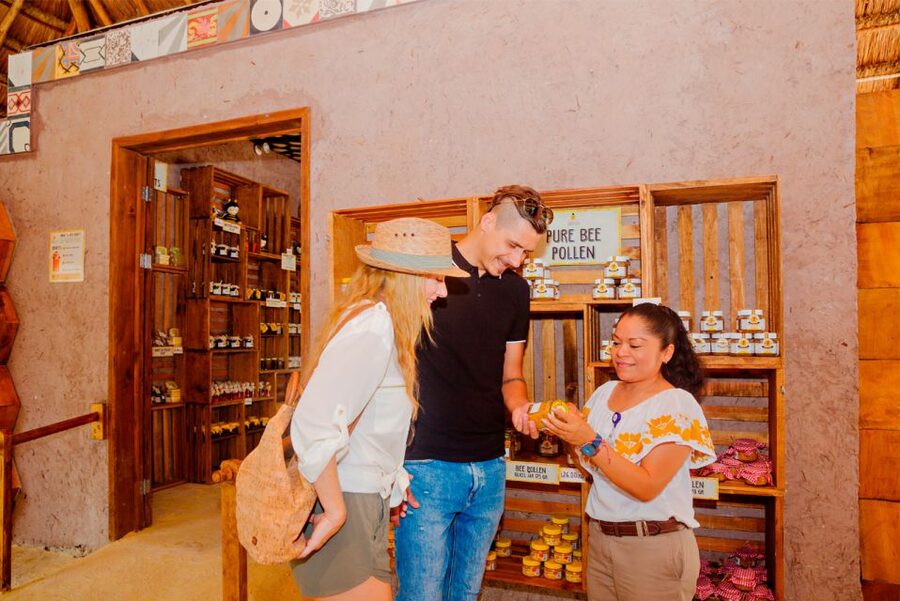
The short limestone sculpture walk adds a cultural layer that many quick Cozumel stops lack. You also get a generous taste of honey, pollen, and propolis products. The main drawback is easy to understand: 45 minutes goes by quickly, and some uneven gravel makes this a poor fit for wheelchair users or anyone with serious mobility limits. You’ll also need to arrange your own ride, and a taxi waiting during the visit can become expensive.
In This Review
- Key points to know before you go
- Why the Melipona bee matters in Mayan culture
- Following the 45-minute visit
- Walking the limestone monolith path
- Inside the Meliponary
- The honey, pollen, and propolis tasting
- The brief Mayan ceremony
- Is $13 a good value?
- Who will enjoy this Cozumel stop?
- Practical details that can shape your visit
- Should you book the Mayan Bee Sanctuary?
- FAQ
- How long does the Mayan Bee Sanctuary visit last?
- How much does the experience cost?
- What is included in the admission?
- Is transportation included?
- What languages are available?
- How large is the group?
- What will I taste during the visit?
- Is the sanctuary wheelchair accessible?
- What should I bring?
Key points to know before you go
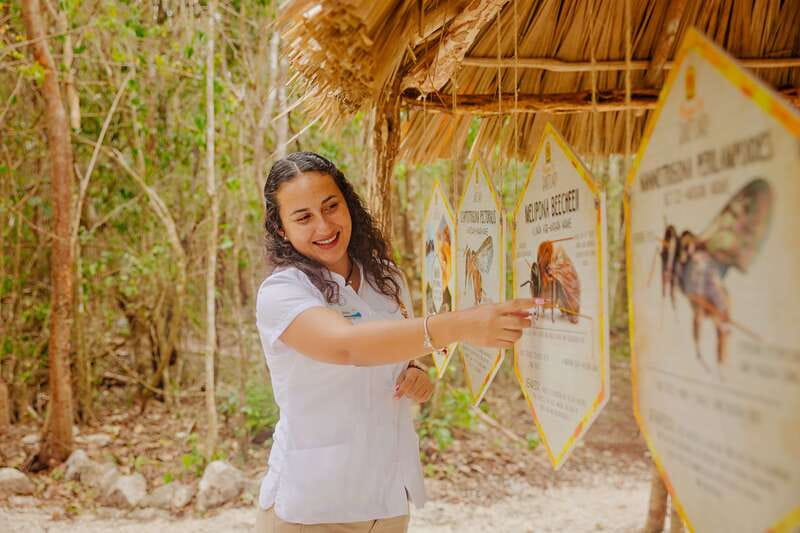
- You meet stingless Melipona bees: Learn the roles of the queen, princesses, drones, workers, and guardian.
- You walk a Mayan monolith path: Limestone sculptures depict Ixchel, Aluxes, stelae, and other religious symbols.
- You taste more than honey: Samples include different honeys, pollen, and propolis pearls.
- You get a compact cultural stop: The full visit lasts about 45 minutes, making it easy to fit into a busy Cozumel day.
- You travel in a small group: The maximum group size is 10 people, with English and Spanish guiding available.
- You need your own transportation: Pickup and drop-off are not included, so plan the return trip before arriving.
Why the Melipona bee matters in Mayan culture
At this sanctuary, the bee is not treated as just a farm insect or a jar of honey with wings. The Melipona bee has a close connection with the Maya, who valued its honey for healing, strength, and personal well-being.
You’ll hear how honey was linked with restoring harmony to the heart, along with providing vigor and strength. That gives the visit more weight than a simple tasting stop. You are learning about a relationship between people, insects, medicine, and belief that reaches back through Mayan culture.
The bees here are stingless, which makes them especially interesting to observe. Do not expect the large, familiar honeybee image you may have in mind. The sanctuary focuses on native Melipona bees and explains their place in the ecosystem today.
One especially useful part of the talk is the connection between traditional use and present-day conservation. The sanctuary works to preserve native stingless bees and the environment they depend on. You may also see three types of Mayan honey bees in the wild during the visit, adding a welcome element of observation beyond the main hives.
More Mayan sites and culture on Cozumel:
- Jade Caverns and Mayan Village Cozumel ATV TOUR
★ 5.0 · 507 reviews - Authentic Mayan Cooking Class in Cozumel
★ 5.0 · 344 reviews - Island Buggy Tour & Mayan Experience
★ 5.0 · 305 reviews
Following the 45-minute visit
The experience is compact and focused. You arrive at the sanctuary, look for the Mayan Bee Sanctuary sign, and should be there 15 minutes before your scheduled start. An English or Spanish guide leads the visit, and the small-group format gives you a better chance to follow the explanation and ask a question.
The order can vary, but the main elements are the monolith path, the Meliponary, the bee-colony lesson, and the tasting. This is not an all-day attraction with several major sites. It is a short educational stop that works well between other Cozumel plans.
The limited duration is both a benefit and a limitation. If you want a quick cultural activity outside the usual shopping, snorkeling, and restaurant circuit, 45 minutes is convenient. If you want a long nature walk or a detailed Mayan archaeological visit, you may find the program too brief.
Guides named Russell and Roberto have led especially engaging visits, with clear explanations of Mayan culture and a strong focus on the bees. The guide matters here because much of the value comes through storytelling and explanation, not from simply looking at a hive.
Walking the limestone monolith path
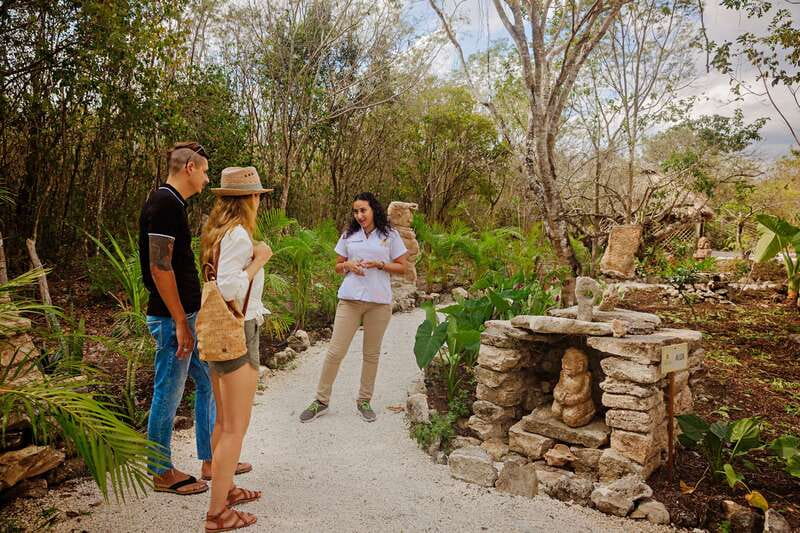
The first visual surprise is the path of limestone sculptures created by a local artist. These pieces are designed to show the greatness and evolution of the Maya through religious symbols and carved forms.
Look for representations connected with Goddess Ixchel, the Aluxes, and Mayan stelae. The sculptures do not replace a major archaeological site, and you should not expect original temple ruins. Instead, they create a setting for understanding the symbols that shape the sanctuary’s cultural message.
I like this part because it gives you something to look at while the guide explains the Mayan world. The sculptures also make the visit feel rooted in the region rather than like a generic honey shop.
The path runs over uneven gravel, so choose stable, comfortable shoes. Sunglasses, comfortable clothes, biodegradable sunscreen, and insect repellent are sensible choices. The sanctuary is outdoors, and the combination of walking, sun, and insects calls for basic preparation.
If you have trouble walking on gravel or need a wheelchair-accessible route, this is not the right excursion. The experience is specifically listed as unsuitable for wheelchair users and people with mobility impairments.
Inside the Meliponary
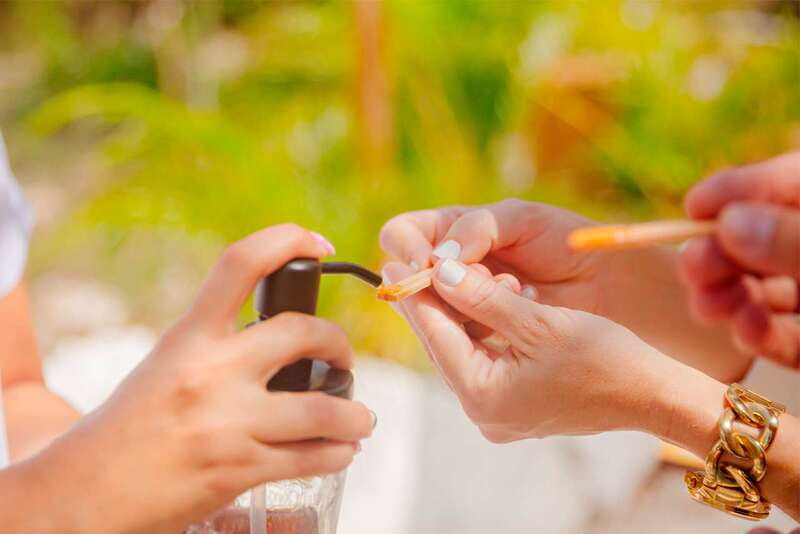
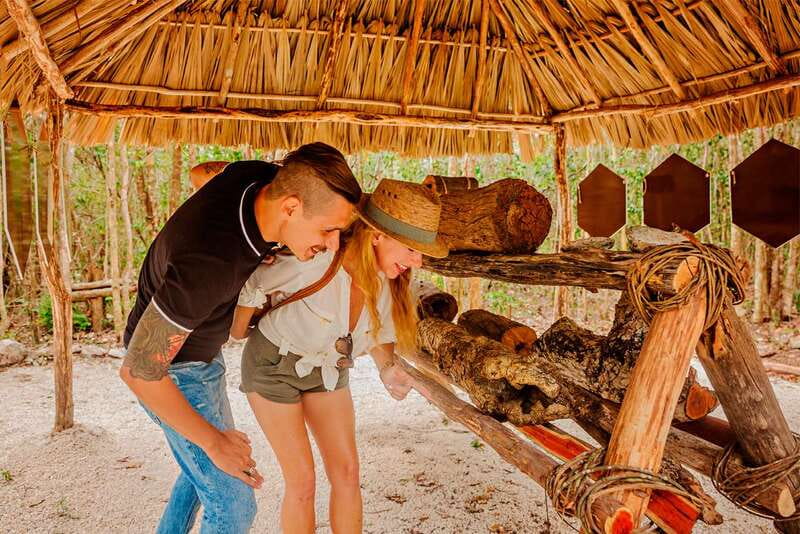
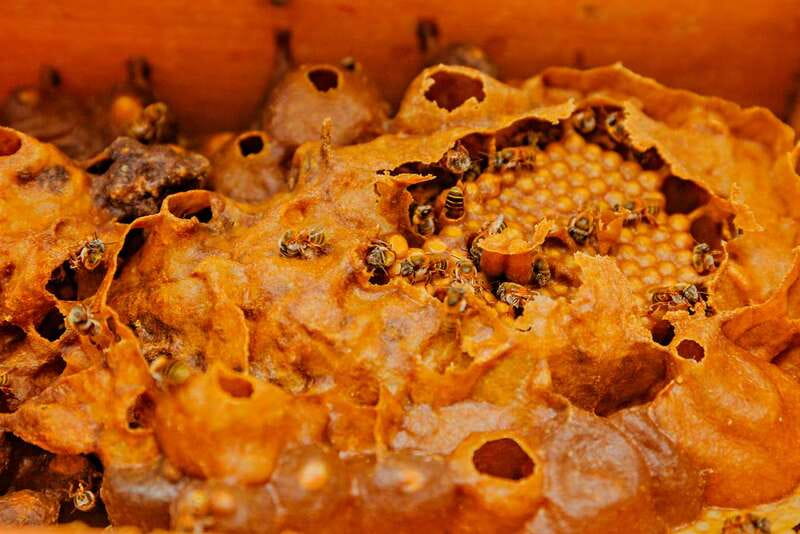
The Meliponary is where the visit becomes most specific. You’ll learn how the hive works both inside and out, then follow the guide through the structure of the colony.
The social order is one of the best parts of the stop. The guide explains the role of:
- The queen bee
- The princesses
- The drones
- The workers
- The guardian
This organization helps you understand that the hive is not a loose swarm of insects. Each bee has a role, and the colony functions through cooperation. Even if you know little about bees, you’ll leave with a simple framework for understanding what you are seeing.
The guardian is a particularly interesting detail because it shows how the colony protects itself. The queen and workers are familiar ideas, but learning about princesses, drones, and the guardian gives the talk more depth than a basic honey demonstration.
You may see bees in their natural setting as well as in the Meliponary. That matters because it places the sanctuary’s work in a broader environmental setting. You are not only looking at an exhibit. You are also learning why native bees need protection and why their survival affects the surrounding ecosystem.
Same island, a very different afternoon:
- Mr. Sanchos Beach Club All-Inclusive Day Pass
★ 4.5 · 6,744 reviews - Cozumel: Paradise Beach Club All-Inclusive Day Pass
★ 4.5 · 3,311 reviews - ATV 4×4+Snorkeling+Beach Club+ Lunch+Sabores de Cozumel
★ 5.0 · 1,468 reviews - Cozumel Snorkeling Tour: Palancar, Columbia and El Cielo Reefs
★ 4.5 · 1,462 reviews
The honey, pollen, and propolis tasting
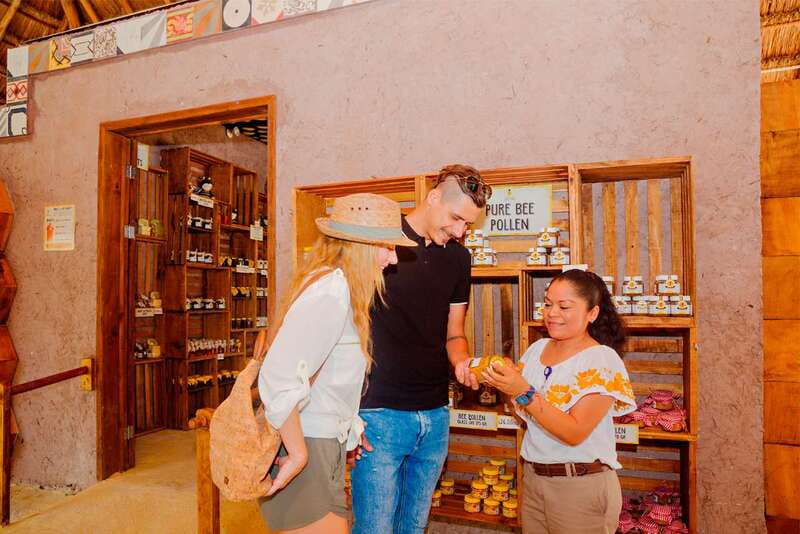
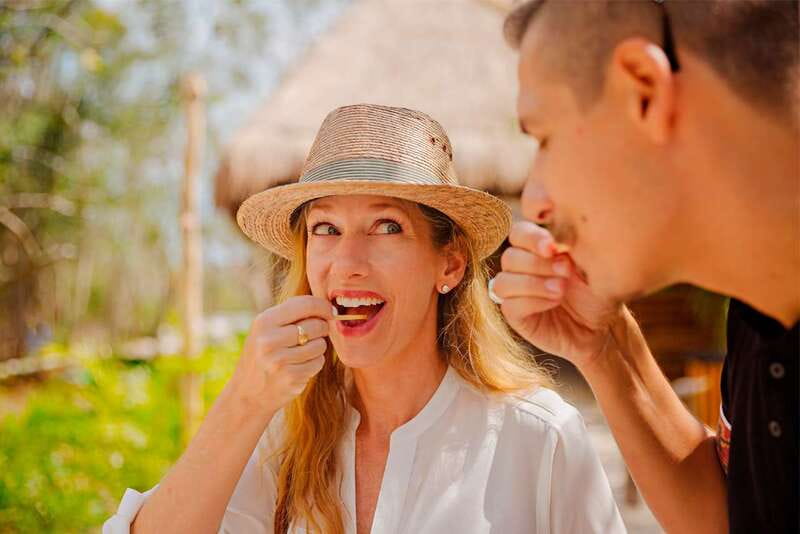
The tasting is the most hands-on part of the visit. You’ll sample different varieties of honey and may also try pollen and propolis pearls.
Melipona honey can have a different flavor from the honey you find in an ordinary grocery store. The tasting lets you compare varieties rather than relying on a general description. If you enjoy food-focused stops, this may be your favorite part of the tour.
The sanctuary also shows how honey becomes a range of products. These include candies, eye drops, soaps, shampoos, creams, and other items. That explanation gives you a better sense of how Melipona products are used for both food and personal care.
The educational value is useful here. You are not only tasting a sweet product, you are hearing about the nutritional and medicinal properties associated with the honey. Keep in mind that the tour presents these traditional and product uses as part of the Mayan bee story. The visit is not a medical consultation.
Cash is worth carrying. It is listed as something to bring, and you may want to purchase honey or related products after the tasting. Buying something also supports the sanctuary’s effort to preserve native stingless bees and the people who care for them.
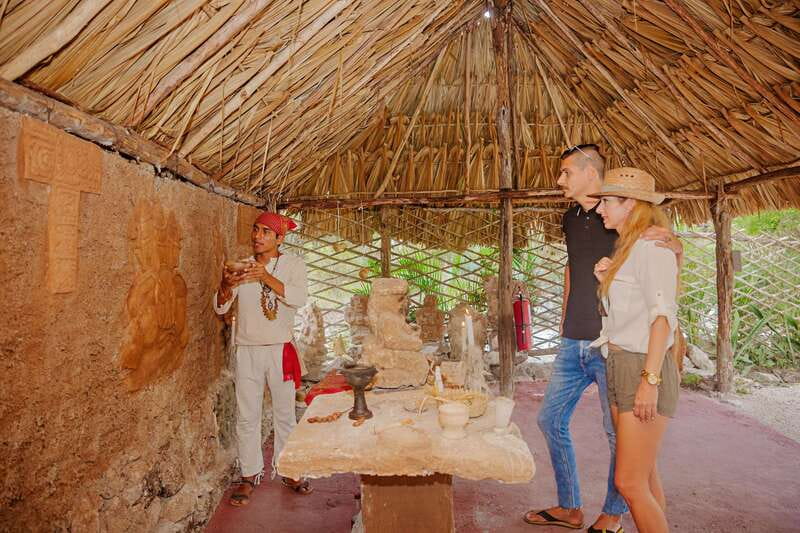
The brief Mayan ceremony
A short ceremony may be part of the visit. It adds a quiet, reflective moment to the bee and Mayan culture lesson.
This is not presented as a long performance. It is a brief cultural element, and its effect depends on your interest in Mayan spiritual traditions. If you enjoy learning how local beliefs connect with nature, you may find it moving. If you are looking only for a quick biology lesson, it may feel less central.
The ceremony works best when you approach it respectfully. The sanctuary is presenting cultural traditions, not putting on a large entertainment show. That difference is important when you are deciding what sort of Cozumel experience you want.
Is $13 a good value?
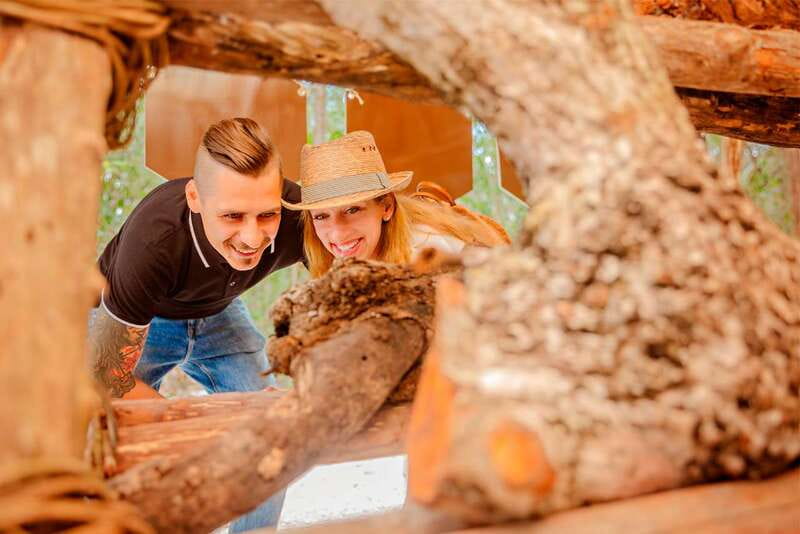
At $13 per person, this is a reasonably priced activity, especially if you want something short. Your admission includes the sanctuary, a certified English or Spanish-speaking guide, the honey tasting, the monolith exhibition, and the Meliponary.
The value comes from the combination. You receive a guided cultural talk, a small nature experience, outdoor sculpture viewing, and food sampling in one stop. Many Cozumel activities cost much more because they involve boats, equipment, meals, or long transportation. This one keeps the price low by focusing on a single site and a short visit.
The catch is that $13 does not include food, drinks, or transportation. The ride can matter more than the admission price. One visitor found the return taxi costly because the driver had to wait during the tour. That is a practical warning: arrange a ride back in advance instead of assuming a taxi will be easy to find or inexpensive while waiting.
If you are already renting a car or combining the sanctuary with other stops, the price looks better. If you need a taxi to take you there, wait, and return you, the total cost can rise quickly.
Who will enjoy this Cozumel stop?
This visit suits you if you want a cultural break from the island’s better-known activities. It is a good choice for anyone curious about Mayan traditions, local food products, native bees, or environmental conservation.
Families may appreciate the short length. A 45-minute program is manageable for children with limited attention spans, and the bee roles give younger visitors a clear story to follow. The tasting also keeps the visit active instead of turning it into a talk with no practical element.
It works well for cruise passengers or anyone building a busy day. You can fit it between other plans more easily than a half-day excursion. Just allow enough time for the drive and do not forget the return journey.
You may want to skip it if you are looking for a major archaeological site, a long wildlife outing, or an activity with lots of movement. The sanctuary is a focused stop. Much of the experience depends on listening to the guide, examining the sculptures, watching the bees, and tasting the products.
The gravel path also rules it out for wheelchair users and people with mobility impairments. Even travelers without a disability should wear shoes with good footing and expect outdoor conditions.
Practical details that can shape your visit
The meeting point is marked by a Mayan Bee Sanctuary sign. Arrive 15 minutes early so you are not rushing into a small-group session.
Bring comfortable shoes, sunglasses, comfortable clothes, biodegradable sunscreen, insect repellent, and cash. There is some walking over uneven gravel, so avoid footwear that slips or makes walking uncomfortable.
The tour is offered in English and Spanish. The small group is limited to 10 people, which is a useful advantage at a site where the guide’s explanations make up much of the experience.
The activity provider is Tourlanders. You can cancel up to 24 hours before the scheduled visit for a full refund, and the reserve-now, pay-later option lets you hold a place without paying immediately. Starting times depend on availability.
Should you book the Mayan Bee Sanctuary?
I would book this if you want an affordable, short, thoughtful Cozumel activity that goes beyond shopping and food. The native stingless bees, the Mayan connection, the limestone sculptures, and the tasting make good use of 45 minutes.
Plan transportation carefully, especially your ride back. You should also choose another activity if uneven ground is a problem or if you expect a large archaeological attraction. For everyone else, this is a smart small-group stop, particularly when you want a close look at one of the island’s less familiar cultural and environmental stories.
FAQ
How long does the Mayan Bee Sanctuary visit last?
The activity lasts 45 minutes.
How much does the experience cost?
The entrance price is $13 per person.
What is included in the admission?
Admission includes entry to the sanctuary, a certified English and Spanish-speaking guide, honey tasting, the Mayan Monoliths Exhibition, and the Meliponary.
Is transportation included?
No. Pickup and drop-off are not included, so you must arrange your own transportation.
What languages are available?
The live tour guide service is available in English and Spanish.
How large is the group?
The activity is limited to 10 participants.
What will I taste during the visit?
You can sample different varieties of honey, along with pollen and propolis pearls.
Is the sanctuary wheelchair accessible?
No. The activity is not suitable for wheelchair users or people with mobility impairments, and it includes walking over uneven gravel terrain.
What should I bring?
Bring comfortable shoes, sunglasses, biodegradable sunscreen, comfortable clothes, insect repellent, and cash.
Just added around Cozumel
- Explore Cozumel on a Buggy: Tour Around the Island!★ 4.0 · 9 reviews
- Sea Trek Adventure at Chankanaab National Park★ 3.5 · 9 reviews
- Adventure in Punta Sur Ecological Reserve Cozumel★ 5.0 · 10 reviews
- Off Road into Jungle to Mayan Caves, Hidden Ruins & Snorkel Tour★ 4.5 · 9 reviews
- Tours On The Island Cozumel★ 5.0 · 10 reviews
- ATV Jungle discovering the wild Jade Cavern and Mayan Village★ 5.0 · 10 reviews
- Cozumel: Discover Hidden Gems w/ Private guide★ 5.0 · 10 reviews
- Cozumel Airport Shuttle Roundtrip Service★ 4.5 · 10 reviews
Mayan Ruins & Culture, compared.

Jade Caverns and Mayan Village Cozumel ATV TOUR
Read our review →


Cozumel Buggy Tour: Snorkeling , Otoch Mayan Experience & Lunch
Read our review →
Half-Day Island Tour with Mayan Experience & Beach Break
Read our review →
ATV Seashore + Cenote Combo: Mezcalitos & Mayan Cenote Experience
Read our review →
Jungle Jeep Adventure to Mayan Caves, Cenote and Snorkel
Read our review →Browse the lists this tour appears in