
Reviewed · MAYAN RUINS & CULTURE
Cozumel: Chocolate Workshop at The Mayan Cacao Company
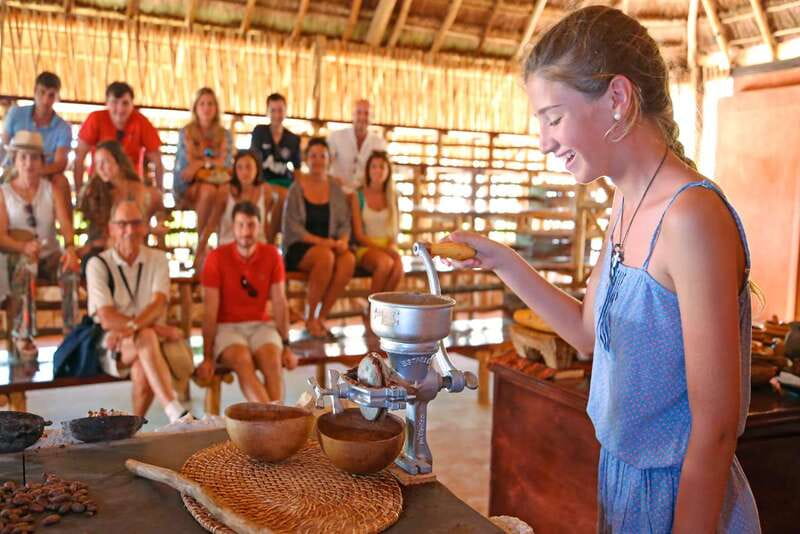
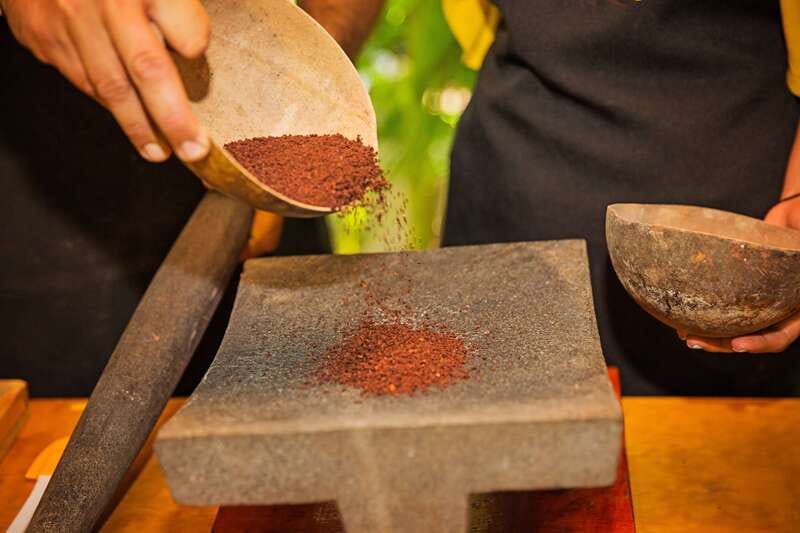
The most unusual part of this Cozumel outing is not the tasting. It is the chance to grind cacao by hand on a traditional metate, the stone tool used in pre-Hispanic food preparation. You also make a chocolate bar from the same kind of cacao once used in Mayan rituals and ceremonies.
I like the mix of culture and hands-on work. You learn why cacao meant prestige, religion, and social connection in Mayan society, then turn that lesson into something you can eat. I also like the generous tasting of 13 artisanal chocolates, which gives the $40 price more weight than a simple museum talk.
The main drawback is practical: the workshop is not wheelchair accessible and is not suitable for people with chocolate or nut allergies. You also need to arrange your own transport to The Mayan Cacao Company, arrive 15 minutes early, and bring cash if you want anything beyond the included activity.
In This Review
- Key points to know before you book
- Why cacao makes a good Cozumel culture stop
- The opening talk: cacao as sacred food and social currency
- Grinding cacao on a pre-Hispanic metate
- Making your own handmade chocolate bar
- The 13-chocolate tasting at the boutique
- How the $40 price measures up
- Choosing the right guide and group experience
- Families, older visitors, and accessibility
- Timing, clothing, and what to bring
- Should you book the Mayan Cacao Company workshop?
- FAQ
- Where does the chocolate workshop take place?
- How long does the workshop last?
- How much does the workshop cost?
- What is included in the price?
- Do I receive a chocolate bar that I make myself?
- How many chocolates will I taste?
- Is hotel transportation included?
- What languages are available?
- Is the activity suitable for people with allergies or wheelchair users?
Key points to know before you book
- Traditional metate work: You grind cacao seeds by hand with a pre-Hispanic stone tool instead of simply watching a demonstration.
- A Mayan culture lesson: The workshop explains cacao as a sacred food, prestige item, social centerpiece, and part of religious ceremonies.
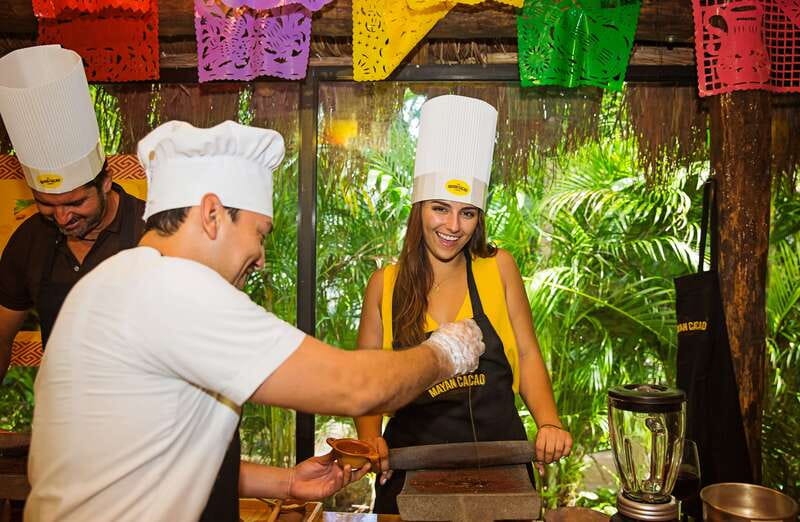
- Make-and-take souvenir: You prepare your own handmade chocolate bar using cacao and simple ingredients.
- 13 chocolate samples: The boutique tasting is a substantial part of the visit, not just a token bite.
- Strong guide-led experience: Paty, Roberto, Eduardo, and Leti have been praised for making the history clear, lively, and suitable for families.
- Plan for a fixed venue: There is no hotel pickup or drop-off, and the workshop itself lasts about 90 minutes.
Why cacao makes a good Cozumel culture stop
Cozumel is famous for water, beaches, and cruise-port excursions. That makes this workshop a useful change of pace. Instead of spending the whole day on the coast, you get a short cultural activity built around a food that has a serious place in Mesoamerican history.
The workshop treats chocolate as more than a sweet snack. You learn how cacao figured into pre-modern Mayan life as a sacred food, a sign of status, and part of social and religious customs. That context matters because it gives the later tasting some meaning. You are not simply sampling flavors. You are learning why cacao carried such importance before modern chocolate bars existed.
I find this kind of short activity especially useful on a busy Cozumel schedule. At 1.5 hours, it can fit around other plans better than a full-day tour. It also works well for cruise visitors who want something local without committing to a long road trip.
The setting is The Mayan Cacao Company in Quintana Roo, rather than a Mayan archaeological site. Keep that distinction clear. You are visiting a chocolate attraction with a cultural presentation, not walking through ancient ruins or taking part in an archaeological tour.
More Mayan sites and culture on San Miguel De Cozumel:
- Cozumel: Mayan Ruins Guided Tour with Snorkeling & Lunch
★ 3.9 · 35 reviews - Cozumel: Chocolate Margarita Workshop with Mayan Recipe
★ 4.8 · 19 reviews - Jade Caverns and Mayan Village Cozumel ATV TOUR
★ 5.0 · 507 reviews
The opening talk: cacao as sacred food and social currency
Your guide begins with the cultural side of cacao. The talk covers its place in Mayan society and explains how the bean could represent prestige, serve as a social centerpiece, and play a role in religious life.
The quality of this section depends heavily on your instructor. That is good news here. Paty has been praised for being warm, clear, and willing to spend extra time answering questions. Roberto is described as enthusiastic and engaging, with a program that brings the group into the discussion. Eduardo has also been singled out for explaining the process in a way that works for children.
Those details matter because a chocolate workshop can easily become a thin sales talk. Here, the guide-led history is a central part of the experience. You should expect questions and interaction rather than a silent demonstration.
The workshop is offered in English and Spanish. If you want to get the most from the cultural explanation, pay attention to the examples linking cacao with ceremonies, social standing, and everyday customs. This is the part that turns a pleasant food activity into a more useful introduction to Mayan culture.
Families seem particularly well served. One guide, Leti, was praised for keeping children aged nine and eleven engaged with the cacao story. Another booking included a young child who was able to make chocolate. The activity is therefore not limited to serious foodies or history buffs, although very young children may need help with the grinding step.
Grinding cacao on a pre-Hispanic metate
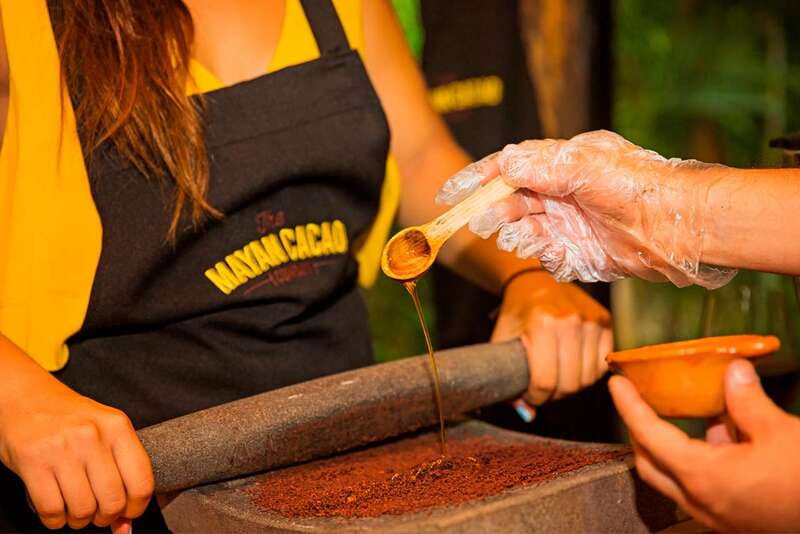
The hands-on heart of the workshop is the metate. You use the traditional stone tool to grind cacao seeds, working them down by hand rather than relying on modern equipment.
This is where the experience earns its keep. A talk about ancient food preparation can remain abstract, but the metate gives you a physical sense of the labor involved. You feel the resistance of the seeds and take part in a process that is slower and more deliberate than opening a packet of cocoa powder.
Do not expect a polished cooking class with a long list of techniques. The activity centers on a simple traditional process, a few ingredients, and direct participation. Your guide walks you through the steps and helps if the grinding proves difficult. Paty, in particular, has been praised for assisting participants with the metate.
You should wear comfortable clothes. This is not the place for your finest cruise-dinner outfit, especially since the activity involves handling ingredients and working with a stone grinding tool. The provided information does not specify whether aprons or protective clothing are supplied, so dress sensibly and keep valuables to a minimum.
Making your own handmade chocolate bar
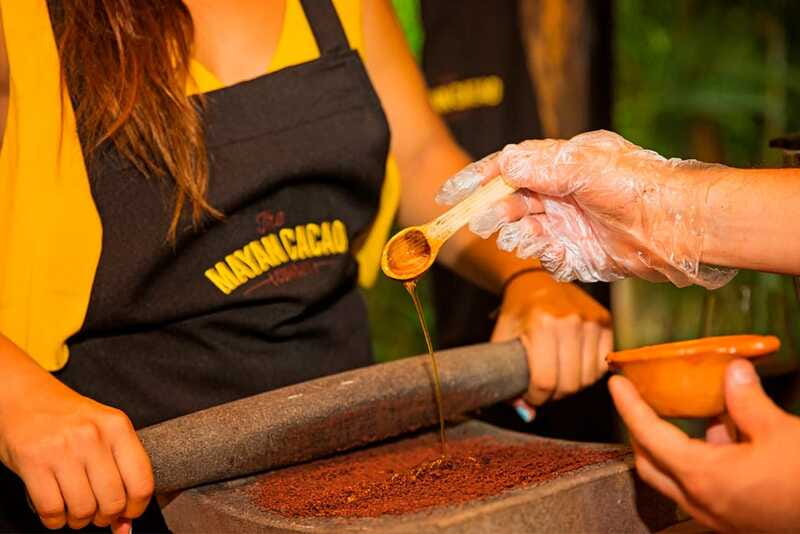
After grinding the cacao, you mix it with simple ingredients to create your own bar. This is the moment when the workshop becomes personal. Instead of buying a chocolate souvenir from a shelf, you make one during the visit and take a small piece of Mexican food culture with you.
The process is basic enough for families but still interesting for adults. You see how cacao changes from seed to prepared chocolate, and you gain a better sense of the work behind the finished product. The point is not to produce a professional confection. It is to understand the traditional method and enjoy something you made yourself.
I like that the workshop uses cacao connected to Mayan rituals and ceremonies. That detail ties your activity back to the opening talk. The bar is not just a craft project placed after a history lecture. It is the edible result of the story you have been hearing.
Children appear to get a lot from this section. Making something with their own hands gives them a clear focus, and one family found that even a young child could take part. Adults should keep expectations realistic, though. The supplied details do not promise elaborate decorations, custom fillings, or advanced pastry instruction.
More cacao and chocolate stops:
- Chocolate & Margarita Workshop
★ 5.0 · 207 reviews - Chocolate Workshop
★ 5.0 · 92 reviews - Chocolate Seaside Workshop & Wine Tasting
★ 5.0 · 76 reviews - Chocolate Tasting & mayan Presentation
★ 4.5 · 20 reviews
The 13-chocolate tasting at the boutique
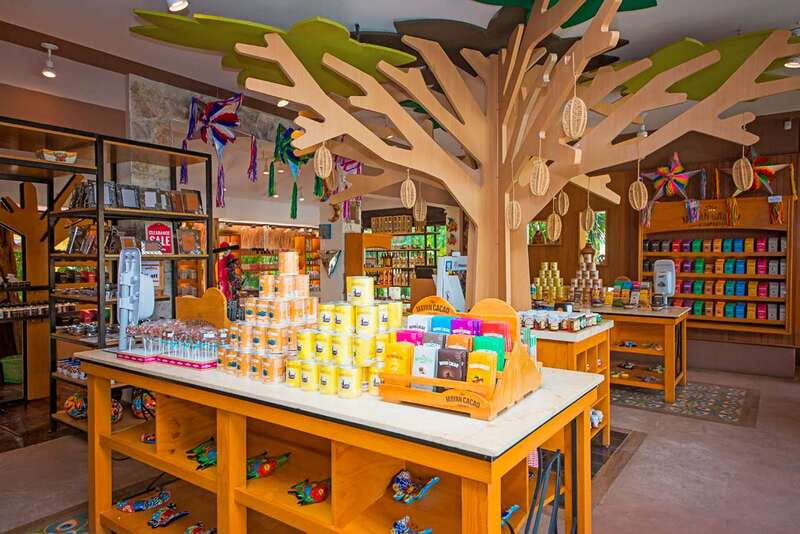
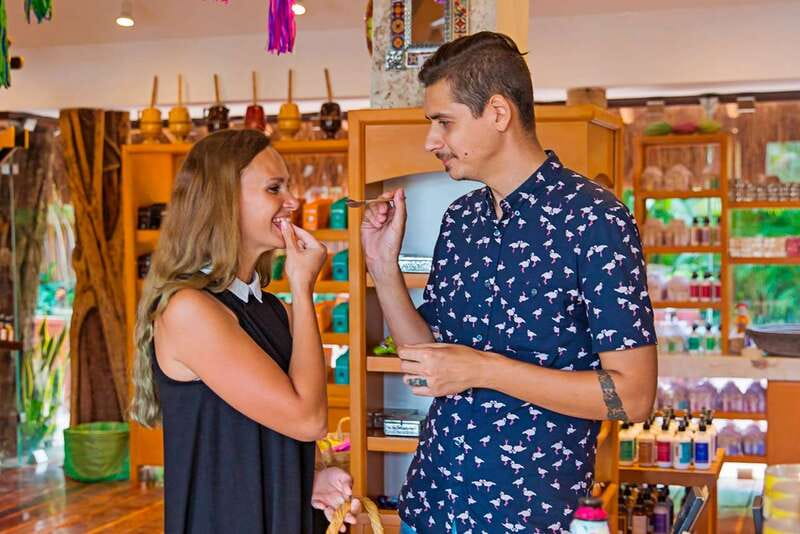
Once the workshop ends, you visit the chocolate boutique and taste 13 different artisanal chocolates. That is a sizeable tasting for a 90-minute activity and one of the clearest reasons the price feels fair.
The tasting lets you compare styles rather than judging the whole experience by one piece. You can expect a range of artisanal samples, though the available information does not list each flavor or explain whether you choose the order. I would treat this as a guided introduction to the company’s chocolate selection, not a formal tasting course with detailed flavor sheets.
The boutique also gives you time to browse after the workshop. This is useful if you want a food souvenir, but remember that purchases are not included in the $40 fee. Bring cash, as requested in the practical information, and budget separately for anything you decide to buy.
A chocolate smoothie has also been suggested as something worth trying. It is not part of the stated inclusions, so consider it an optional extra rather than part of the workshop price. The same applies to other food and drinks, which are not included.
The tasting makes the activity more appealing for people who are less interested in history. You can enjoy the chocolate even if the cultural presentation is not your main reason for coming. On the other hand, anyone with a serious allergy should skip the entire experience. The workshop is specifically not recommended for people with chocolate or nut allergies.
How the $40 price measures up
At $40 per person, this is not the cheapest way to eat chocolate in Cozumel. It is also more than a quick boutique stop. The fee includes entrance to The Mayan Cacao Company, the chocolate tasting, and all ingredients and tools needed to make your bar.
I think the value is strongest when you use all three parts: the cultural talk, the metate activity, and the 13-sample tasting. If you only want to buy chocolate, you can do that more cheaply elsewhere. If you want a short, organized experience that gives you a souvenir and a cultural lesson, the price is easier to justify.
The activity also saves you from arranging separate admission and supplies. You arrive at one venue, receive the history lesson, take part in the preparation, and finish with the tasting. That simple structure is helpful during a port day or a short stay.
Transport is the main extra cost to consider. Hotel pickup and drop-off are not included, and you must meet at The Mayan Cacao Company. Since no transport details are provided, check your route and allow enough time to arrive 15 minutes before the start. Do not assume a transfer is part of the booking.
Choosing the right guide and group experience
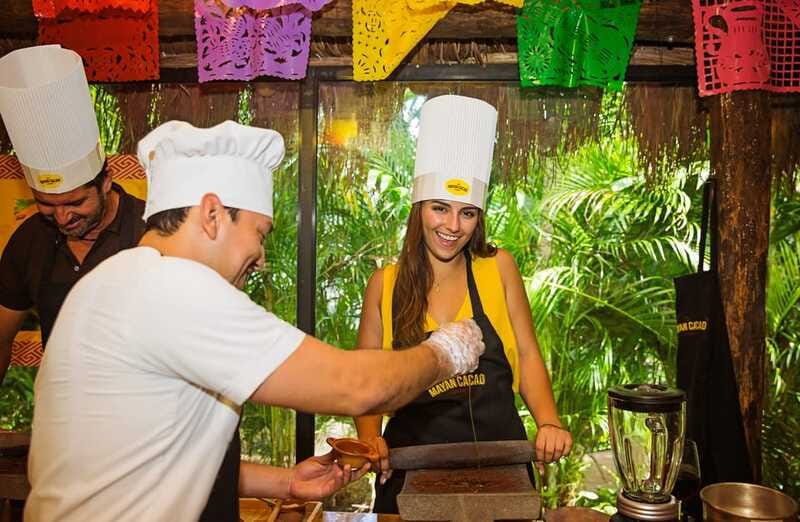
You cannot normally choose your instructor in advance, but several names have received strong praise for the way they handle the workshop. Paty is noted for giving careful answers and extra help with the grinding. Roberto is described as energetic and able to turn the history into an interactive session. Eduardo has been praised for explaining the steps clearly, especially for families.
That suggests the guide can shape the mood of the visit. A good instructor makes the Mayan material easier to follow and helps participants who struggle with the metate. The tone appears friendly rather than formal, with room for questions and laughter.
The group size is not specified, so do not book expecting a private tour. One couple happened to receive extra attention when the group was very small, but that is not a guarantee. If you have detailed questions, a small group would give you more time with the guide, while a larger family group may create a livelier atmosphere.
The workshop is available in English and Spanish. Confirm your preferred language when you book if that matters to you, since the value of the history section depends on understanding the explanation.
Families, older visitors, and accessibility
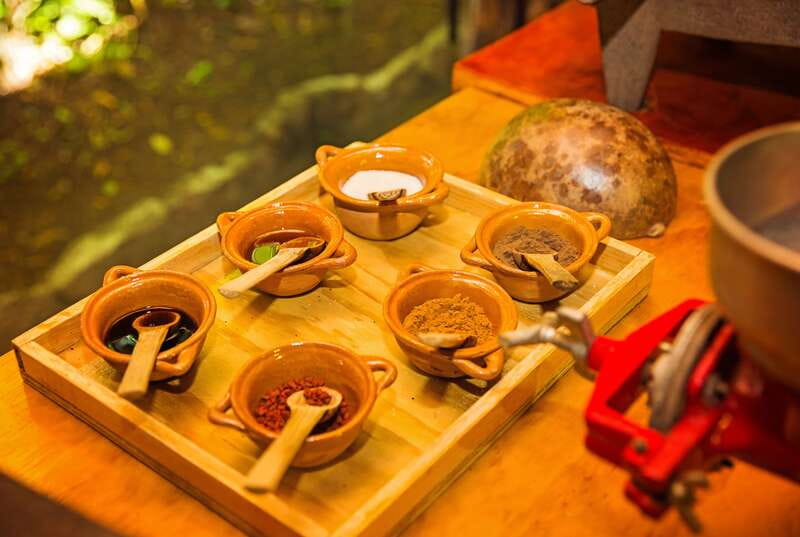
Families with children are a natural fit. The activity combines a short story, a physical task, and chocolate tasting, with enough variety to hold attention better than a lecture alone. The positive feedback from families with young children suggests that the instructors know how to keep the lesson approachable.
It can also suit adults looking for a relaxed cultural stop. You do not need specialist knowledge about cacao, and the process is explained as you go. The workshop gives you a small souvenir without requiring a full cooking course.
The key limitation is accessibility. The workshop is not wheelchair accessible. If anyone in your party has mobility needs, contact the provider before booking rather than relying on assumptions about the venue.
Food allergies are another firm concern. The activity is not suitable for people with chocolate or nut allergies. Since the experience centers on cacao and includes a multi-sample tasting, this is not a situation where you can simply skip one dish and continue.
Timing, clothing, and what to bring
The workshop lasts 1.5 hours, and starting times depend on availability. Arrive 15 minutes early at the Mayan Cacao Company. The meeting point is the venue itself, not a hotel lobby or a general Cozumel pickup area.
Wear comfortable clothes for the grinding and chocolate-making portions. Bring cash for boutique purchases or optional food and drinks. Hotel pickup, food, and drinks are not included, so plan those parts yourself.
The activity offers free cancellation up to 24 hours before the start for a full refund. You can also reserve now and pay later, which helps if your Cozumel plans may change. Still, check the exact start time before committing the rest of your day around it.
Should you book the Mayan Cacao Company workshop?
Book this if you want a short Cozumel activity with real participation, a Mayan cultural introduction, and plenty of chocolate. The metate grinding and handmade bar give you more to remember than a standard tasting, while the 13 samples make the $40 cost reasonable for many visitors.
I would especially recommend it for families, first-time visitors interested in Mayan culture, and cruise passengers who need a compact activity. Guides such as Paty, Roberto, Eduardo, and Leti appear to make a real difference, particularly when children or curious questioners are in the group.
Skip it if you have a chocolate or nut allergy, need wheelchair access, or want a full archaeological tour. Also skip it if you are only looking for a cheap chocolate purchase. For everyone else, this is a friendly, hands-on way to connect a familiar treat with the culture that gave cacao its lasting place in Mexico.
FAQ
Where does the chocolate workshop take place?
The workshop takes place at The Mayan Cacao Company in Quintana Roo, Mexico.
How long does the workshop last?
The activity lasts 1.5 hours.
How much does the workshop cost?
The listed price is $40 per person.
What is included in the price?
The price includes entrance to The Mayan Cacao Company, the chocolate tasting, and the ingredients and tools used to make your chocolate bar.
Do I receive a chocolate bar that I make myself?
Yes. You use cacao seeds, a traditional metate, and simple ingredients to prepare your own handmade chocolate bar.
How many chocolates will I taste?
The workshop includes a tasting of 13 artisanal chocolates.
Is hotel transportation included?
No. Hotel pickup and drop-off are not included. You meet directly at The Mayan Cacao Company.
What languages are available?
The workshop is offered in English and Spanish.
Is the activity suitable for people with allergies or wheelchair users?
The workshop is not recommended for people with chocolate or nut allergies, and it is not wheelchair accessible.
More Workshops in San Miguel De Cozumel
- Cozumel: Private Cooking Class in a Family Kitchen
★ 4.8 · 12 reviews - Authentic Mayan Cooking Class in Cozumel
★ 5.0 · 344 reviews - Cozumel: KUZÁ Beach Day, Buffet, Open Bar & Mexican Flavors Class
★ 5.0 · 187 reviews - Cozumel Cooking Class
★ 5.0 · 147 reviews
Just added around San Miguel De Cozumel
- Cozumel: SeaTrek Underwater Helmet Diving Experience★ 4.9 · 11 reviews
- From Cozumel: The Original Zipline Adventure Tour★ 4.9 · 12 reviews
- Cozumel: Private Cooking Class in a Family Kitchen★ 4.8 · 12 reviews
- Cozumel: Island Highlights by Private Van & Local Guide (4h)★ 4.9 · 15 reviews
- From Cozumel: Invisible Boat Snorkeling Tour★ 3.8 · 18 reviews
- Cozumel: Chocolate Margarita Workshop with Mayan Recipe★ 4.8 · 19 reviews
- From Cozumel: Chankanaab Cozumel Scuba Diving★ 4.9 · 20 reviews
- From Cozumel: Official Chankanaab Park Day Pass and Snorkel★ 4.2 · 23 reviews
Mayan Ruins & Culture, compared.
Jade Caverns and Mayan Village Cozumel ATV TOUR
Read our review →

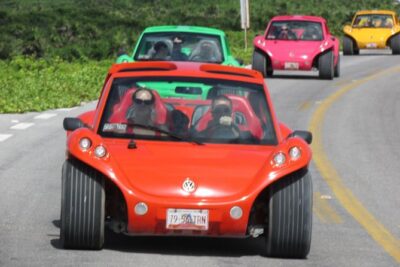
Cozumel Buggy Tour: Snorkeling , Otoch Mayan Experience & Lunch
Read our review →
Half-Day Island Tour with Mayan Experience & Beach Break
Read our review →
ATV Seashore + Cenote Combo: Mezcalitos & Mayan Cenote Experience
Read our review →
Jungle Jeep Adventure to Mayan Caves, Cenote and Snorkel
Read our review →Browse the lists this tour appears in